Dental Crowns for Discolored Teeth: Are They a Good Option?
A badly discolored tooth can be surprisingly hard to ignore. Even when it is healthy and painless, the color alone can draw the eye every time someone speaks or smiles. Patients often describe the experience in practical terms rather than cosmetic ones. They start covering their mouth in photos. They choose softer lighting for video calls. They angle their face away when talking. A single dark tooth can change how a person uses their smile.
That is usually the moment when the question comes up: would a crown fix this properly, or is that too much treatment for a color problem?
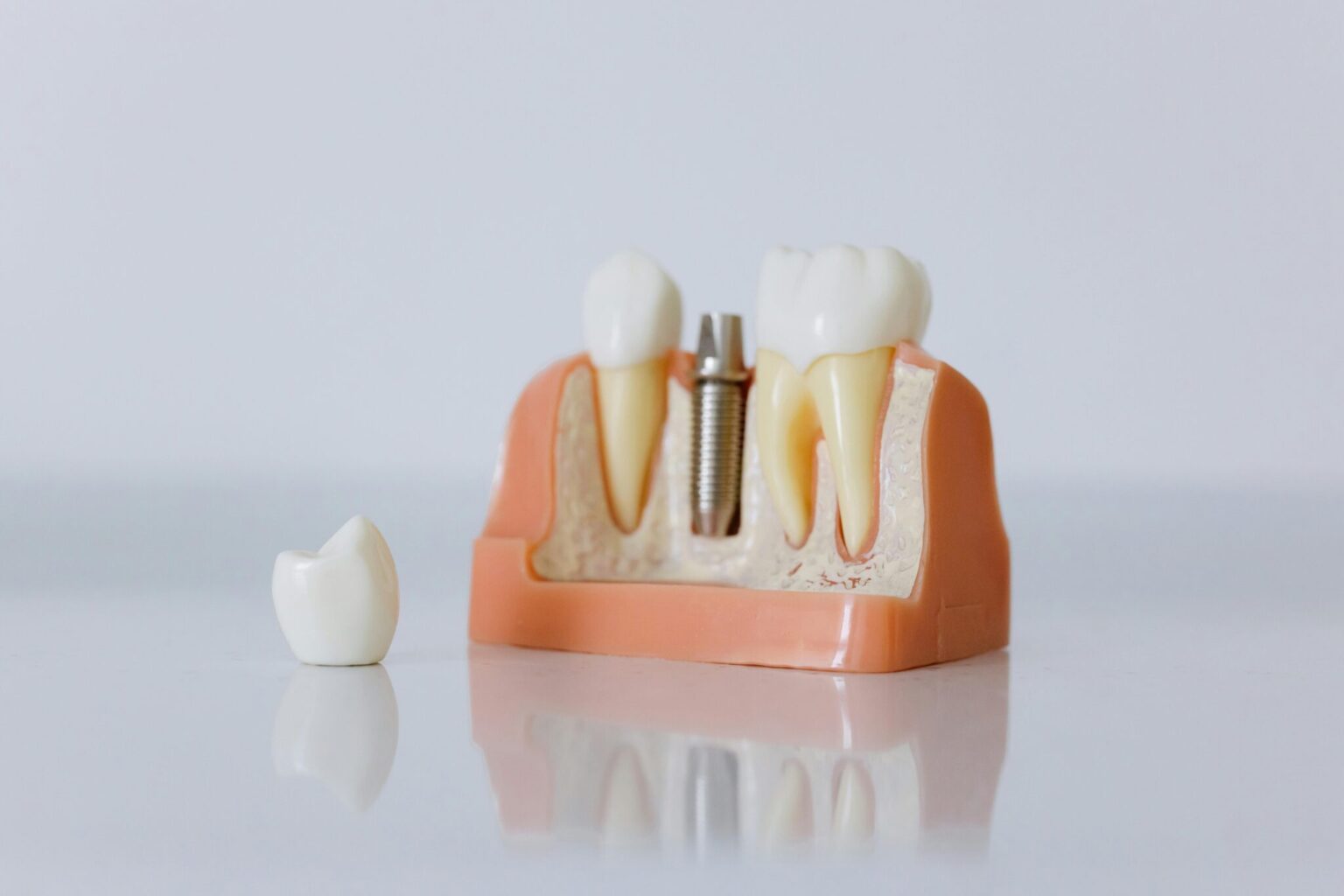
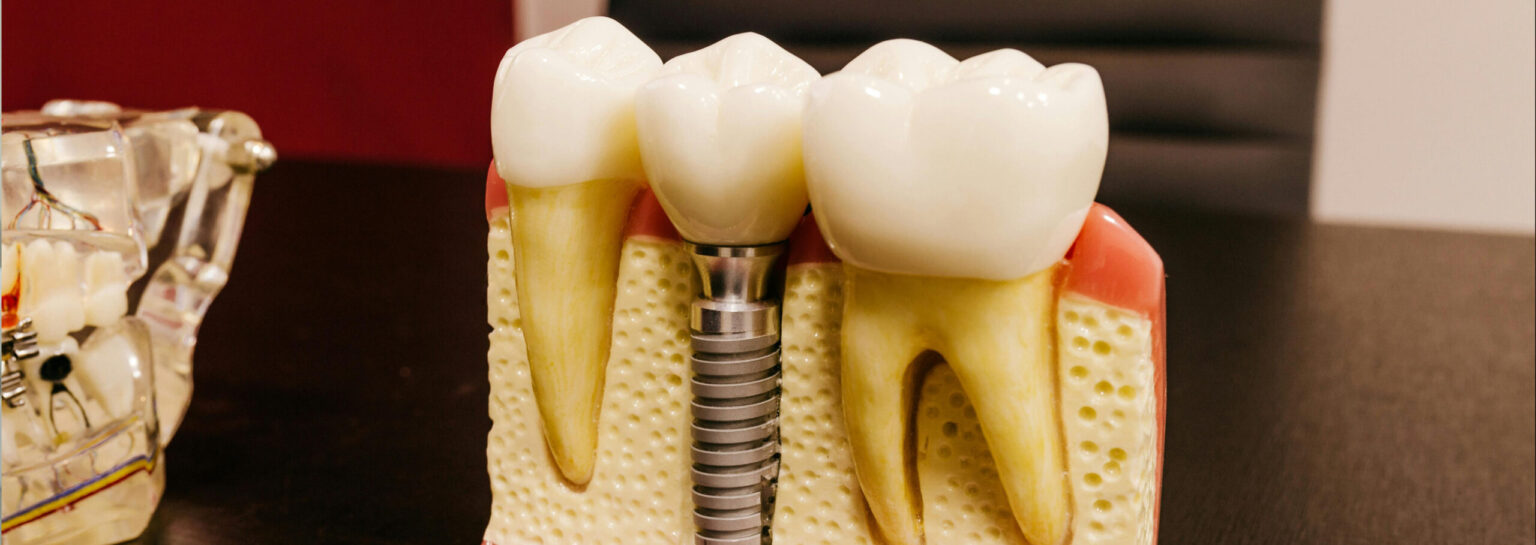
Dental crowns can absolutely improve the appearance of discolored teeth. In the right situation, they can be one of the best options available. But they are not automatically the best option for every stain, every tooth, or every patient. A crown is a full-coverage restoration. It changes the entire outer surface of the tooth, which means it can hide severe discoloration very effectively. It also means healthy tooth structure has to be reshaped to make room for the restoration. That trade-off matters.
The short answer is yes, crowns can be a good option for discolored teeth, especially when the discoloration is deep, internal, structurally associated with damage, or resistant to more conservative treatment. The longer answer depends on why the tooth is dark, where it sits in the mouth, how much healthy enamel remains, and what result the patient is actually trying to achieve.
Not all discoloration is the same
This is where good treatment planning starts. Two teeth can look equally dark and need completely different approaches.
Some stains sit on the surface. Coffee, tea, tobacco, red wine, chlorhexidine mouthwash, and age-related buildup can leave a tooth looking yellow or brown even when the inner structure is fine. Those cases often respond well to a cleaning, polishing, whitening, or a more conservative cosmetic option.
Other discoloration comes from inside the tooth. A tooth that has had trauma, root canal treatment, internal bleeding, enamel defects, or a developmental issue can turn gray, brown, or even nearly black. Those cases are much harder to treat with ordinary whitening because the problem is not just on the surface. The color is part of the tooth itself.
That distinction matters because crowns are generally strongest as a solution for teeth with intrinsic discoloration, especially when other methods are unlikely to work or would produce a patchy result.
A front tooth that darkened after being hit years ago is a classic example. The patient often says, “It used to match, and then it slowly got darker.” If the tooth has also become brittle, has a large filling, or already had root canal treatment, a crown may solve more than one problem at once. It can strengthen the tooth and restore the color.
By contrast, if someone has generally yellow teeth and wants a brighter smile overall, placing a crown on one or two teeth rarely makes sense as the first move. Whitening or veneers may be more appropriate, depending on the condition of the enamel.
When a crown makes real sense
A crown is most useful when color and structure are both concerns. That is an important point, because crowns are rarely just about shade. They are often chosen when a discolored tooth is also weakened, heavily restored, cracked, misshapen, or worn.
In practice, crowns tend to be a strong option in situations like these:
- A tooth is deeply discolored and has a large filling or significant loss of structure.
- A root canal treated tooth has darkened and needs protection against fracture.
- Trauma has changed both the color and integrity of the tooth.
- Existing bonding or patchwork restorations keep failing or no longer match.
- A patient wants a durable full-coverage result and accepts the removal of tooth structure.
Those are not cosmetic-only cases. They are restorative cases with an aesthetic component, and that is where crowns often shine.
One common scenario is the discolored upper front tooth with an old composite filling that has been replaced multiple times. The patient may have already tried whitening, but the dark tooth stayed dark while the neighboring teeth became lighter. At that point, trying to mask the color with another bonded filling can become frustrating. The result may look good on day one and then lose harmony under different lighting or over time. A properly planned ceramic crown can give a much more stable, predictable appearance.
When a crown is probably too aggressive
There is also a category of patients who are technically good candidates for a crown but not ideal candidates for a crown right now. That usually comes down to conserving healthy tooth structure.
If the tooth is intact, strong, and only mildly to moderately discolored, a full crown may be more treatment than necessary. Once a tooth is prepared for a crown, there is no going Dental Crowns back to untouched enamel. Even the best crown begins a restorative cycle. It may last many years, but at some point it will need repair or replacement. For a young patient with an otherwise healthy tooth, that long-term reality should not be brushed aside.
This is why dentists often look at alternatives first when possible. Whitening can be surprisingly effective for generalized discoloration. Internal bleaching may help some root canal treated teeth. Composite bonding can mask localized discoloration conservatively, though it has limitations in durability and stain resistance. Porcelain veneers may cover color concerns on front teeth while preserving more tooth than a crown, provided the tooth position and bite allow it.
A crown becomes less attractive when the sole goal is to cover a stain that could be managed with less invasive care.
How well do crowns hide dark teeth?
Very well, if they are designed properly.
Modern ceramic crowns can mask severe discoloration, but the outcome depends on several technical decisions. The material matters. The thickness matters. The opacity matters. The color of the underlying tooth matters. So does the shade of the cement in some cases.
This is where expectations can drift away from reality if the planning is rushed. A dark underlying tooth can sometimes show through a highly translucent restoration, especially if the crown is made to mimic natural enamel without enough masking ability. On the other hand, if the crown is made too opaque, it can look flat or artificial next to neighboring teeth. The best result usually comes from balancing enough opacity to block the dark stump shade while preserving enough translucency and surface texture to look lifelike.
That balancing act is especially important for front teeth. A crown on a lower molar has a different aesthetic burden than one on an upper central incisor. In the smile zone, tiny details matter. Light transmission, incisal translucency, surface anatomy, and the color of adjacent teeth all affect whether the crown blends or announces itself.
Patients are often surprised to learn that “white” is not a single shade. Natural teeth have value, chroma, translucency, and internal character. A very bright crown can still look wrong if it does not belong with the rest of the mouth. Good aesthetic work is not simply about making a dark tooth lighter. It is about making it believable.
Material choice changes the result
Crowns are not all made from the same material, and the choice can affect both appearance and strength.
Porcelain-fused-to-metal crowns were once routine and can still work well in certain cases, particularly when masking is needed. They are durable and can hide dark tooth structure effectively. Their weakness, aesthetically, is that they may lack some of the depth and light behavior of all-ceramic restorations. They can also show a metal margin over time if the gums recede.
All-ceramic options, including lithium disilicate and zirconia-based crowns, have expanded what is possible. Lithium disilicate is often favored in highly visible areas because it can look very natural. Zirconia offers excellent strength and, depending on the type, can also be esthetic enough for many front and back teeth. For a very dark tooth, the dentist and lab may choose a more opaque core material or layered approach to block the discoloration.
This is not usually a decision a patient has to make alone, but it is worth asking about. If a crown is being placed mainly to hide severe discoloration, the material plan should reflect that goal from the beginning.
The issue most patients do not expect: matching the neighboring teeth
A crown does not whiten. It matches a selected shade at the time it is made. That seems obvious, but it creates one of the most common planning mistakes.
If the surrounding teeth are likely to be whitened, that should happen before the crown is fabricated. Otherwise, the patient ends up with a crown matched to the old darker shade, and once the natural teeth are whitened, the crowned tooth may look too yellow or too gray by comparison.
This sequencing matters in both small and full-smile cases. A patient might come in focused on one dark tooth, but after discussing Dental Crowns shade goals, it becomes clear that whitening the rest first will produce a much more harmonious result. Only then should the final crown shade be selected.
There is another challenge here. Natural teeth continue to change slowly with age, diet, and habits. A crown remains relatively stable in color. Over five or ten years, even an excellent match can become less exact if the adjacent teeth darken or lighten differently. That does not mean the crown failed. It means mouths are not static.
Crowns versus other options
For a discolored tooth, the best treatment is often the least invasive one that can reliably meet the aesthetic goal. A crown enters the picture when that threshold has been crossed.
Here is how crowns generally compare with common alternatives:
| Option | Best for | Main advantage | Main limitation | |---|---|---|---| | Whitening | Generalized yellowing or surface stains | Conservative and relatively affordable | Limited effect on deep internal discoloration | | Internal bleaching | Some root canal treated dark teeth | Can improve color without full coverage | Not suitable for every case, may not fully resolve severe darkness | | Composite bonding | Small localized defects or modest masking | Tooth-saving and repairable | Can stain, chip, and be less lifelike over time | | Veneers | Front teeth needing cosmetic improvement with enough enamel | More conservative than crowns in many cases | Not ideal if the tooth is very dark or heavily restored | | Dental Crowns | Deep discoloration plus structural concerns | Excellent masking and durability | Requires substantial tooth reduction |
That table captures the broad logic, but real mouths are messier than categories. Sometimes a tooth could be treated three different ways, and the right answer depends on the patient’s budget, age, bite, habits, and willingness to maintain future dental work.
For example, a 28-year-old with a dark but otherwise intact front tooth may prioritize preserving enamel and try internal bleaching first if the tooth had previous endodontic treatment. A 62-year-old with the same color issue plus a large failing filling and heavy wear may be much better served by a crown.
The practical downsides of choosing a crown
Crowns have real strengths, but they are not a cosmetic shortcut without cost.
The first cost is biological. The tooth has to be reduced on all sides to create room for the crown material. Even when done carefully, this is irreversible. If the tooth is already heavily restored, that may be entirely reasonable. If it is pristine apart from color, it is a bigger decision.
The second cost is financial. Crown fees vary widely by region, materials, and the complexity of the case. Insurance may contribute if there is a restorative reason, but cosmetic motivations alone are often not covered. Patients need a frank discussion about what they are paying for and whether lower-intervention options have a fair chance.
The third cost is maintenance over time. Crowns do not get cavities, but the tooth underneath still can, especially at the margin where crown meets tooth. Gum recession can expose edges. Cement can fail. Porcelain can chip. A crown may last ten to fifteen years or much longer, but longevity depends on bite forces, oral hygiene, grinding habits, and the quality of the original work.
Then there is the comfort factor. Some teeth settle easily after crown preparation and cementation. Others can remain temperature-sensitive for a while. Teeth with previous trauma can be less predictable. This is one reason experienced dentists hesitate to place crowns on healthy vital teeth unless there is a clear benefit that outweighs the risk.
Front teeth require a different level of judgment
If the discolored tooth is in the smile zone, the technical standard rises immediately. A crown on a front tooth is judged at conversational distance, under daylight, bathroom lighting, restaurant lighting, and camera flash. It has to work in all of them.
That is why photographs, custom shade mapping, and communication with the dental laboratory can matter so much. In difficult cases, the dentist may send detailed images showing neighboring teeth, stump shade, skin tone, and smile line. Sometimes a patient benefits from a custom staining or layered ceramic build rather than a more routine monolithic crown.
There is also a social component to front-tooth treatment that is easy to underestimate. Patients often arrive saying they just want the dark tooth gone. Once the process begins, they start noticing asymmetries they had ignored for years, the shape of the opposite incisor, the uneven edge lengths, the overall tooth shade. This is not vanity. It is what happens when one highly visible feature gets attention.
Good planning keeps the scope under control. A crown can improve the discolored tooth dramatically, but it cannot guarantee that the patient will suddenly love everything else about their smile. The best clinicians make sure the goal is specific and realistic before touching the tooth.
What the appointment process usually looks like
A crown for discoloration typically starts with diagnosis rather than treatment. The dentist needs to know why the tooth is dark. Sometimes that means radiographs, vitality testing, checking for cracks, reviewing trauma history, or assessing existing restorations. A tooth that changed color for a biological reason may need more than cosmetic covering.
If a crown is chosen, the tooth is prepared, impressions or digital scans are taken, and a temporary crown is placed while the final one is fabricated. That temporary stage is more important than people think. It lets the patient preview shape, length, and basic appearance. In front-tooth cases, feedback at this stage can prevent disappointment later.
Once the final crown is ready, it is tried in, evaluated for fit and appearance, and then cemented. Sometimes small shade or contour adjustments are possible. Sometimes they are not. The quality of the planning upstream determines how smooth this last step feels.
A few situations where I would pause before recommending a crown
There are certain cases where restraint usually serves the patient better than speed.
If a teenager or very young adult has a discolored tooth with large pulp chambers and otherwise healthy structure, I would be slow to jump to full coverage. If a root canal treated front tooth has never had internal bleaching considered, that may deserve a discussion first. If a patient is grinding heavily and wants a very bright single crown on one front tooth, bite management becomes part of the conversation. If gum levels are unstable because of active periodontal disease, aesthetics can shift after treatment, which may alter the final result.
These are not reasons to avoid crowns forever. They are reasons to make the decision carefully and in the right sequence.
So, are Dental Crowns a good option?
For the right tooth, yes, very much so. Dental Crowns can be an excellent solution for discolored teeth when the discoloration is deep, resistant to simpler treatment, or tied to structural problems that also need correction. They are especially valuable for dark root canal treated teeth, traumatized teeth, and heavily restored teeth that need both reinforcement and cosmetic improvement.
They are less compelling when the problem is mainly surface staining or when a healthy tooth could reasonably be improved with whitening, bonding, or a veneer. The fact that a crown can hide discoloration does not automatically mean it should be the first choice.
The best decision usually comes from asking a more precise question than “Can a crown make this tooth white?” The better question is, “What caused this tooth to become discolored, what condition is it in structurally, and what is the most conservative treatment that can reliably achieve the result I want?”
When that question is answered honestly, crowns often find their proper place. Not as a default cosmetic fix, and not as an overly aggressive last resort, but as a targeted, durable treatment for the teeth that truly need full-coverage help.
Omni Dental Specialty
1690 E Gonzales Rd, Oxnard, CA 93036, United States
+1 805-410-9603
FAQ About Dental Crowns
How long do crowns last on teeth?
A dental crown often lasts about five to fifteen years, although some last longer. Material, the underlying tooth, oral hygiene and grinding habits affect longevity. Regular dental examinations help identify wear, decay or a loose crown; no lifespan is guaranteed.
How much does a tooth crown cost?
There is no single price for every crown. Material, laboratory work, the condition of the tooth and any additional treatment affect the fee. Ask for a written estimate and confirm your insurance benefits, exclusions and out-of-pocket costs before treatment.
What is the downside of crowns on teeth?
A conventional crown usually requires irreversible removal of some tooth structure. Possible problems include sensitivity, chipping, loosening and decay at the crown margin; some teeth later need root canal treatment. Discuss your tooth's condition, material choices and suitable alternatives with your dentist.