How to Know When Dental Crowns Need Adjustment
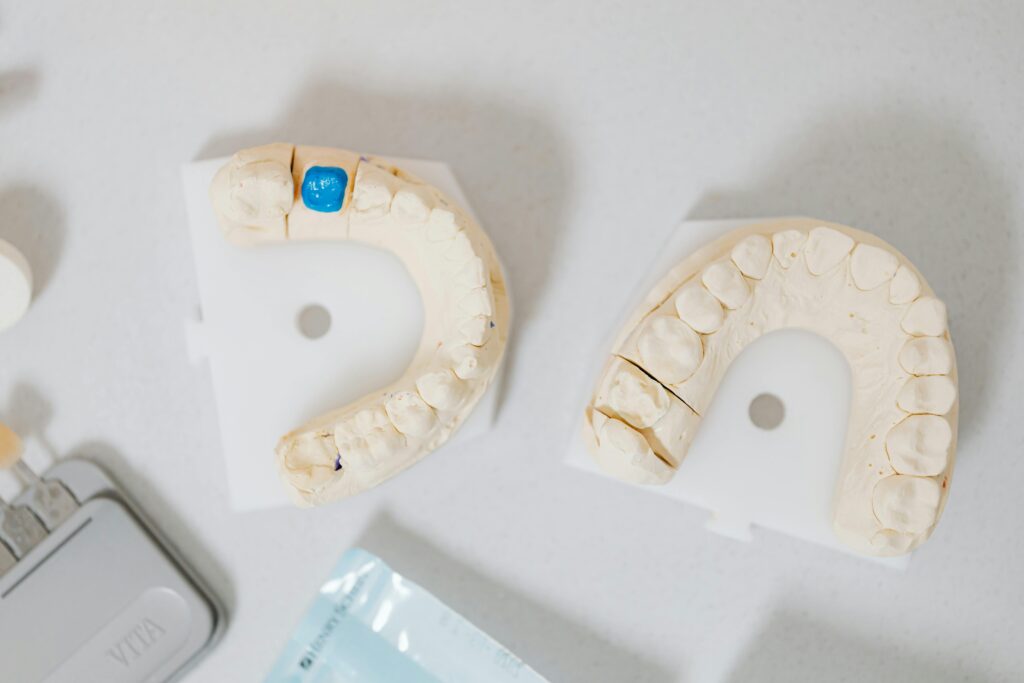

A well-made dental crown should fade into the background of daily life. You should be able to chew without thinking about it, speak normally, and close your teeth together without that nagging sense that something is slightly off. When a crown does need adjustment, patients usually notice it quickly, even if they cannot always explain Dental Crowns what feels wrong. They may say the tooth feels "high," food keeps catching around it, floss shreds, or the gums near the crown stay irritated long after placement.
That instinct is often accurate. Crowns are precise restorations, but they still sit in a mouth where every bite is dynamic and every patient uses their teeth a little differently. Tiny discrepancies in height, contour, contact, or margin fit can create very noticeable symptoms. The good news is that many crown adjustments are simple, conservative, and highly effective when handled early.
The challenge is knowing what deserves patience and what deserves a call to the dental office. A newly cemented crown can feel unfamiliar for a few days, especially if the tooth had a large filling before or if the bite has subtly changed. At the same time, persistent discomfort is not something to ignore and hope away. The longer an interference or fit issue remains, the more likely it is to irritate the tooth, the surrounding gums, or even the jaw.
What a properly adjusted crown should feel like
When a crown is right, it should behave like a healthy natural tooth. That does not mean it feels identical from the first hour, but it should feel stable, balanced, and comfortable. Most patients can tell within a short period whether they are simply aware of a new restoration or whether the crown is actively interfering with their bite.
A crown in good alignment lets both sides of the mouth work together. When you bite down gently, the crowned tooth should contact in harmony with the others rather than hitting first. During chewing, it should not create a sharp pressure point. Floss should pass through the contacts with some resistance, but without snapping violently or shredding. The gumline should remain calm, not puffy or tender week after week.
There is also a difference between adaptation and strain. A normal adaptation period may involve mild awareness, especially after local anesthetic wears off and you pay close attention to every sensation. Strain feels different. Patients describe it as a tooth that gets in the way, a bite that no longer lines up, or a crown that draws constant attention because something feels wrong every time they eat.
The most common sign, your bite feels uneven
The classic sign that a crown needs adjustment is an uneven bite. In the office, patients often say, "That tooth hits first," or, "I can feel that one every time I close." Those descriptions matter. Even a very small excess in crown height can place more force on that tooth than it was designed to absorb.
When a crown is slightly too high, the surrounding teeth may no longer share chewing pressure evenly. The crowned tooth takes the brunt of the load, and the periodontal ligament around the root responds. That ligament is sensitive to pressure, which is why the tooth may feel sore when biting even if the crown itself is structurally sound. Some patients notice this right away. Others realize it after a few meals, once the tooth starts to feel fatigued or tender.
The effects do not always stay limited to that tooth. A high spot can subtly shift the way the jaw closes, especially in patients who clench or grind. That can lead to muscle tightness, headaches, or a feeling that the bite has become "off" on one entire side. It is not unusual for someone to come back saying the crown hurts, only to discover that the more significant problem is muscular compensation caused by an interference that is a fraction of a millimeter too prominent.
This is one reason dentists check crowns with articulating paper and often recheck after the patient sits up. Bite marks can change between reclining and upright positions. Small refinements matter.
Pain when chewing is a clue, but context matters
Pain with chewing does not automatically mean a crown needs adjustment, but it is one of the most useful symptoms to pay attention to. The timing, character, and trigger all help narrow down the cause.
If the pain happens only when you bite down and release, the issue may involve the bite, a crack in the underlying tooth, or inflammation of the ligament around the root. If the pain is more of a dull bruise when chewing tougher foods, a high occlusal contact is often part of the picture. If the pain comes from cold, sweets, or spontaneous aching, the tooth's nerve may be irritated, which is not always solved by simply reshaping the crown.
A practical example: a patient receives a molar crown after a deep cavity and root canal is not needed at the time. The crown seats well, but the tooth still has a living nerve. For the first several days, the patient feels brief tenderness when biting on bread crust or nuts. If that tenderness steadily improves, the tooth may just be settling after extensive work. If it worsens, lingers for weeks, or becomes sharp enough to avoid chewing on that side, the crown and the tooth need evaluation. Sometimes a modest bite adjustment solves it. Sometimes the tooth itself has developed irreversible pulp inflammation and needs additional treatment.
That distinction matters because a crown can be perfectly shaped and still sit on a tooth that is biologically unhappy. Good judgment comes from looking at symptoms in context rather than assuming every post-crown complaint has the same fix.
Gum irritation around the crown often points to contour or margin issues
Not every adjustment is about the top of the crown. The sides and edges matter just as much. A crown that is overcontoured, rough, or slightly misfit at the margin can irritate the surrounding gums and trap plaque more easily than a natural tooth surface would.
The patient experience is usually straightforward. The gum around the crowned tooth stays red while nearby gums look normal. Flossing may cause bleeding in that one area, or food may wedge between the crown and the next tooth. Some people notice a bad taste or persistent tenderness at the gumline. Others become aware of a pressure sensation when cleaning near the crown.
A crown with bulky contours can make it harder for the cheek, tongue, and saliva to naturally cleanse the area. Plaque accumulates, the gum reacts, and the patient may assume they simply need to floss harder. Usually the opposite is true. If the crown's emergence profile is wrong, extra forceful home care will not correct the underlying shape. It may even leave the area more irritated.
Margin problems can be more subtle. The edge where crown meets tooth should be smooth and well adapted. If there is an open margin, a ledge, or excess cement left behind, the gums often become the first tissue to complain. That does not always mean the crown can be "adjusted" in a simple chairside polish. Sometimes it can. Sometimes the restoration needs to be remade. An honest exam is important here, because repeated inflammation around one crown should not be dismissed as routine sensitivity.
When floss tells you something is wrong
Patients often bring surprisingly accurate diagnostic information from the bathroom sink. Floss catches, shreds, or pops through with a loud snap around a crown more often when the contact area or margin needs attention.
A floss problem can signal several different issues. If floss shreds, there may be a rough Dental Crowns edge, overhang, or margin defect. If floss passes too easily and food packs between the teeth, the contact may be too open. If floss is nearly impossible to get through and the gums are sore between the teeth, the contact may be too tight or shaped poorly.
These are not trivial complaints. Contacts between teeth protect the papilla, support gum health, and prevent food impaction. A crown with a weak or open contact can turn every meal into an irritation event. I have seen patients who tolerated a technically acceptable crown for months, then finally returned because they were tired of digging meat fibers and salad out from the same spot after dinner. Once the contact was corrected, the gum calmed down quickly.
Because floss behavior is such a useful clue, it helps to be specific when you call the office. Saying "it feels weird" is less informative than saying "the floss shreds on the cheek side," or "food gets stuck every time between the crown and the tooth behind it."
Sensitivity that lasts longer than expected
Some sensitivity after crown placement is normal, especially if the tooth had significant decay, a large old filling, or recent reshaping. Most mild sensitivity improves over days to a few weeks. What deserves attention is sensitivity that persists, intensifies, or changes character.
Cold sensitivity can linger temporarily if the tooth's nerve is irritated from preparation. Heat pain is more concerning, particularly if it hangs on after the stimulus is gone. Pressure sensitivity may point to a bite issue or inflammation around the root. Sharp pain during chewing can indicate occlusal interference, a crack, or an underlying endodontic problem.
Patients sometimes delay follow-up because the crown "looks fine." Appearance is rarely the deciding factor. Crowns can look excellent and still require adjustment. The bite may need refinement, the contact may need polishing, or the nerve inside the tooth may need evaluation. If sensitivity interrupts normal eating or wakes you at night, it has moved beyond the range of routine post-procedure awareness.
Speech changes and cheek or tongue irritation
Front crowns, and occasionally crowns on premolars, can affect speech if the shape is slightly off. The patient might notice a lisp, a change in how "s" or "f" sounds form, or an odd sensation where the tongue keeps finding the restoration. That does not always indicate a flaw. The tongue is extremely perceptive, and even small changes can feel exaggerated at first.
What separates adjustment needs from simple adaptation is persistence and tissue trauma. If the tongue keeps rubbing one rough area, if the cheek gets caught while chewing, or if speech still feels awkward after a brief adjustment period, the crown's contour may need modification. A polished, properly contoured crown should not repeatedly abrade soft tissue.
In practice, these issues show up more often than patients expect. A slightly bulky lingual contour on an upper front crown may be barely visible to the eye but obvious to the tongue all day long. A minor reshaping and polish can make a dramatic difference without remaking the crown.
The timeline most dentists expect
Understanding the usual timeline helps patients judge whether to monitor or book an appointment promptly. The first 24 to 72 hours often bring heightened awareness. The anesthetic has worn off, the bite is being tested with real food instead of cotton rolls, and the patient is naturally more focused on the treated tooth.
Over the first week, normal post-procedure awareness should trend downward. The crown should start feeling more integrated into your bite. Mild gum soreness around the injection site or the area where the crown was seated can also settle during this period.
By the second week, most patients with a properly fitting crown should feel close to normal in daily function. That does not mean the tooth can never be noticed again, but it should not dominate chewing, cleaning, or speaking. If a crown is still repeatedly drawing your attention after that point, it is worth having it checked, especially if one of the symptoms is clearly reproducible.
Signs that justify a prompt call to the dental office
The fastest way to prevent a small crown issue from becoming a bigger one is early follow-up. Contact your dentist sooner rather than later if you notice any of these:
- your bite feels high or that tooth hits first every time you close
- pain with chewing is worsening instead of improving
- floss shreds, catches, or cannot pass normally around the crown
- the gum around the crown stays swollen, bleeds easily, or traps food
- the crown feels loose, cracked, or unstable
Patients sometimes worry that they are being overly picky. They are not. Crowns are custom restorations, and fine-tuning them is part of good care. Most dentists would rather make a small adjustment early than let a patient struggle for a month.
What happens during a crown adjustment visit
Many people imagine that a return visit means the crown has failed. Usually it means the opposite, that the restoration is close and now needs refinement under real-world conditions. Once you chew regular meals, speak normally, and sleep on it, you provide feedback that cannot be fully simulated in the chair.
The dentist will first ask pointed questions. Does the pain happen on biting down, on release, with cold, or all the time? Does the crown feel tall only on one side? Is food packing between the crown and a neighboring tooth? This history shapes the exam.
Next comes a bite check. Articulating paper marks where the teeth contact, but the dentist also interprets the quality of those marks and compares them with your symptoms. A high spot may be adjusted by carefully polishing small areas of the crown surface. If the issue lies between teeth, the dentist may evaluate the contact and smooth roughness. If the gum is inflamed, the contour and margin are inspected, often with magnification and an explorer.
Sometimes the appointment ends with a quick adjustment and immediate relief. That is common with bite issues. Other times the crown is not the primary problem. The tooth may need time, a protective night guard if heavy grinding is involved, or further testing for nerve health. In more complex cases, the crown may need replacement if the fit, contour, or margin cannot be corrected adequately.
The key point is that an adjustment visit is diagnostic as much as therapeutic. It is not just "grinding down the crown." It is determining which part of the system is causing the symptom.
When the problem is not the crown itself
One of the more important nuances in crown dentistry is that a symptom after crown placement does not always mean the crown is wrong. The underlying tooth may be inflamed. The bite may have changed because nearby teeth shifted. The patient may be clenching heavily at night and only notice it once a new crown alters how forces are distributed.
I have seen patients convinced a crown was defective because the tooth remained tender for weeks, yet the crown fit beautifully and the real issue was an inflamed nerve in a tooth that had already been through years of large restorations. I have also seen the reverse, where a patient was told to "give it time" even though the bite was clearly high and one quick occlusal adjustment resolved the pain immediately.
Judgment matters. Symptoms should be heard carefully, tested methodically, and matched to findings. A good clinician resists the urge to oversimplify.
Temporary crowns and permanent crowns create different kinds of discomfort
Temporary crowns are often rougher, less precise, and more prone to minor irritation than permanent ones. Patients sometimes become accustomed to temporary crown annoyances and assume the same issues are acceptable after final cementation. They are not.
A temporary may feel slightly bulkier, allow a bit more temperature sensitivity, or trap food more readily because it is a short-term protective restoration. The final crown should improve on those points. If the permanent crown still feels awkward in the bite, catches floss, or leaves the gums irritated, it deserves reevaluation rather than comparison with the temporary.
That distinction is especially relevant for patients who say, "It feels better than the temporary, so maybe this is just how it is." The standard for a permanent crown is higher. Better than temporary is not the same as properly adjusted.
Home care while you wait for your appointment
If you have already contacted the office and are waiting a few days to be seen, sensible home care can keep the area calmer. Be gentle, not passive. Continue brushing and flossing unless you were given specific postoperative instructions that differ. Avoid testing the tooth repeatedly with very hard or sticky foods just to see if it still hurts. That usually irritates it more.
A soft diet for a day or two can help if the tooth is sore to chew on. If the gums are irritated, careful cleaning along the gumline matters more than aggressive scrubbing. Warm saltwater rinses may soothe minor tissue irritation, though they will not correct a contour or bite problem. Over-the-counter pain relief may be appropriate for some patients, depending on their medical history and package directions.
One thing not to do is attempt to adjust the crown yourself. Patients occasionally try to "wear it down" by chewing harder on it, or they use internet advice to file a spot they think is too high. That can create more damage than the original issue.
A brief self-check before you call
If you want to describe the problem clearly, this quick mental checklist helps:
- notice whether the discomfort is triggered by biting, temperature, or spontaneous pain
- pay attention to whether the tooth hits first when you close
- check whether floss passes normally or frays around the crown
- look for one gum area that stays red or bleeds near the restoration
- note whether food consistently catches in the same spot
That level of detail gives the office something actionable. It often shortens the path to the right fix.
Why small problems should not be ignored
A minor crown issue can stay minor, but it can also start a chain reaction. A high bite can leave the tooth and ligament chronically sore. An open contact can create repeated food impaction and gum inflammation. A rough margin can collect plaque and increase the risk of decay at the edge of the crown. Persistent tenderness can mask a deeper pulpal problem that becomes harder to manage if ignored.
There is also the quality-of-life piece, which matters more than many patients admit. When one crown changes the way you chew every meal, you compensate. You shift to the other side. You avoid certain textures. You clench differently at night. Those adaptations can affect neighboring teeth, muscles, and joints over time. Dentistry works best when function stays balanced, not when a patient silently reorganizes their habits around one troublesome spot.
The role of follow-up in good crown dentistry
The best crown work is not just about laboratory quality or digital precision. It is also about follow-through. Even excellent crowns sometimes need a small occlusal adjustment after a patient returns to normal use. That is not a sign that something went terribly wrong. It is a recognition that mouths are biologic systems, not static models.
Patients benefit most when they know what to watch for and feel comfortable reporting specific symptoms. Dentists do their best work when they listen carefully and respond without defensiveness. If a crown feels off, there is usually a reason. Sometimes the answer is a quick polish, sometimes a bite refinement, sometimes a more involved repair or replacement. The important part is not guessing.
A crown should support your bite, protect the tooth underneath, and disappear into daily life. If it keeps announcing itself every time you eat, floss, or close your teeth together, that is your sign to have it checked.
Omni Dental Specialty
1690 E Gonzales Rd, Oxnard, CA 93036, United States
+1 805-410-9603
FAQ About Dental Crowns
How long do crowns last on teeth?
A dental crown often lasts about five to fifteen years, although some last longer. Material, the underlying tooth, oral hygiene and grinding habits affect longevity. Regular dental examinations help identify wear, decay or a loose crown; no lifespan is guaranteed.
How much does a tooth crown cost?
There is no single price for every crown. Material, laboratory work, the condition of the tooth and any additional treatment affect the fee. Ask for a written estimate and confirm your insurance benefits, exclusions and out-of-pocket costs before treatment.
What is the downside of crowns on teeth?
A conventional crown usually requires irreversible removal of some tooth structure. Possible problems include sensitivity, chipping, loosening and decay at the crown margin; some teeth later need root canal treatment. Discuss your tooth's condition, material choices and suitable alternatives with your dentist.